
Buyer’s Guide / Compliance
Do you need council approval for a cool room in Australia?
The short answer: it depends on where and how it is built. Here is the plain-English version of when a cool room needs approval — and the two approvals people forget.
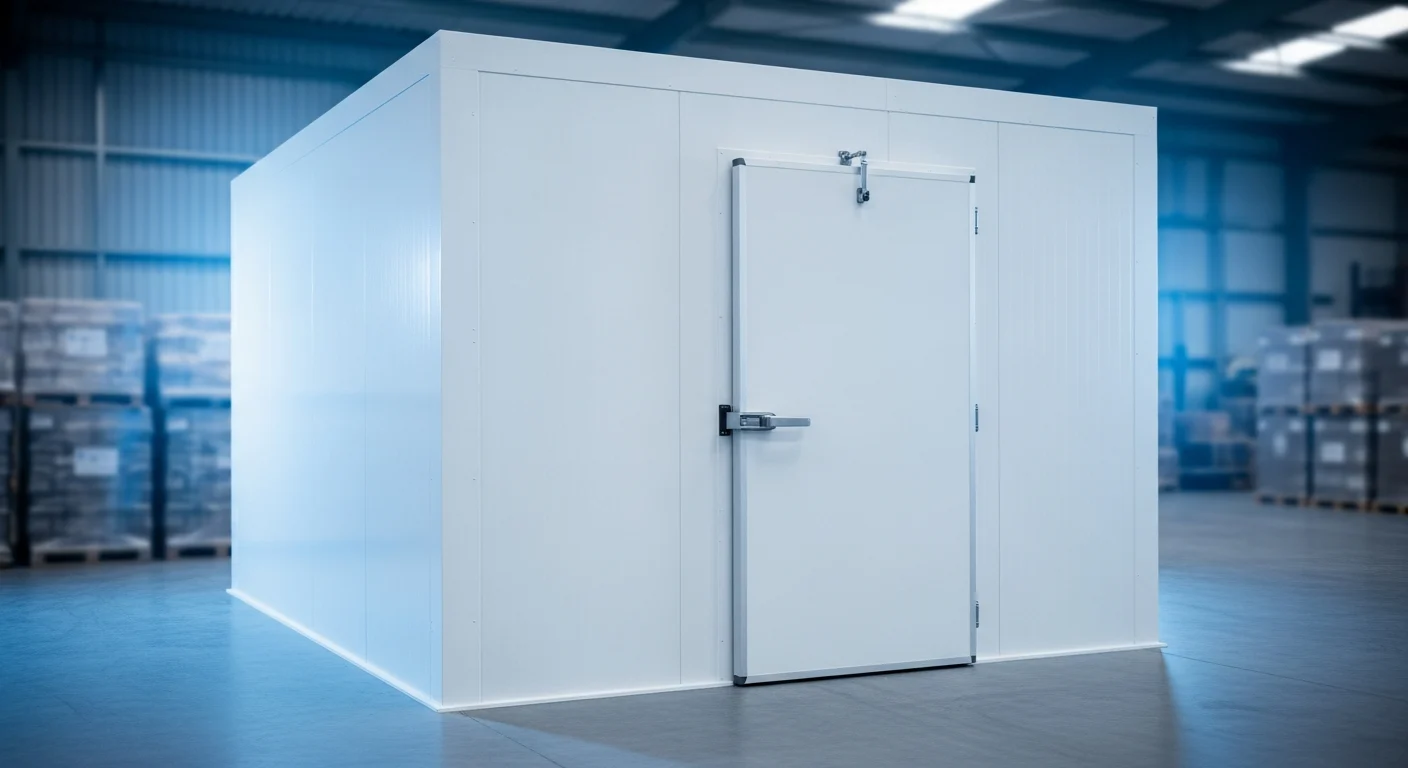
“Do I need council approval for a cool room?” is one of the most common questions we get, and the honest answer is that it depends on the room and where it goes. The good news: many cool rooms need no building approval at all. Here is how to tell which side of the line yours falls on — with the clear caveat that rules vary by state and local council, so this is general guidance, not legal advice.
01 / 03
When you probably do not need approval
A cool room is usually treated as equipment rather than a building when it is:
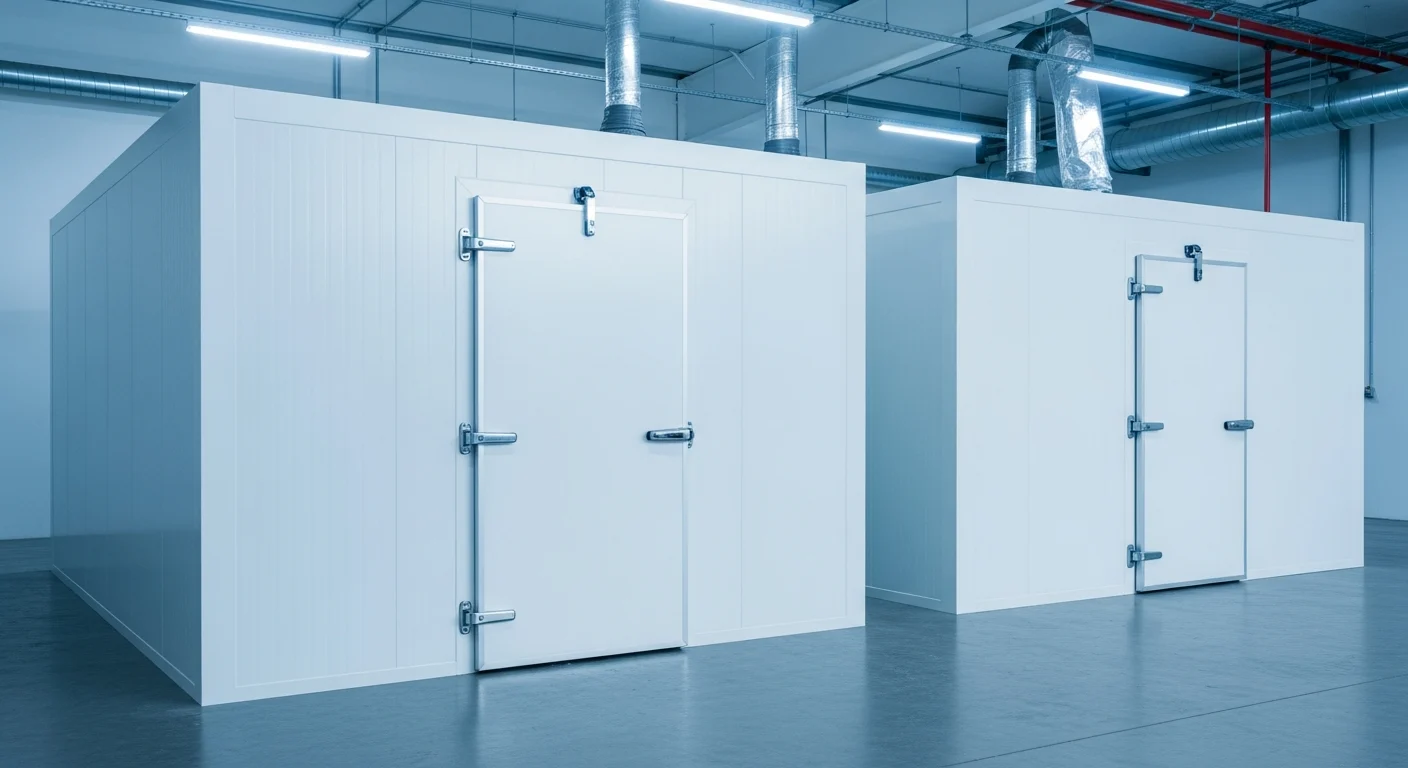
- IndoorsA self-contained insulated room standing inside an existing, already-approved building — a warehouse, shop or commercial kitchen.
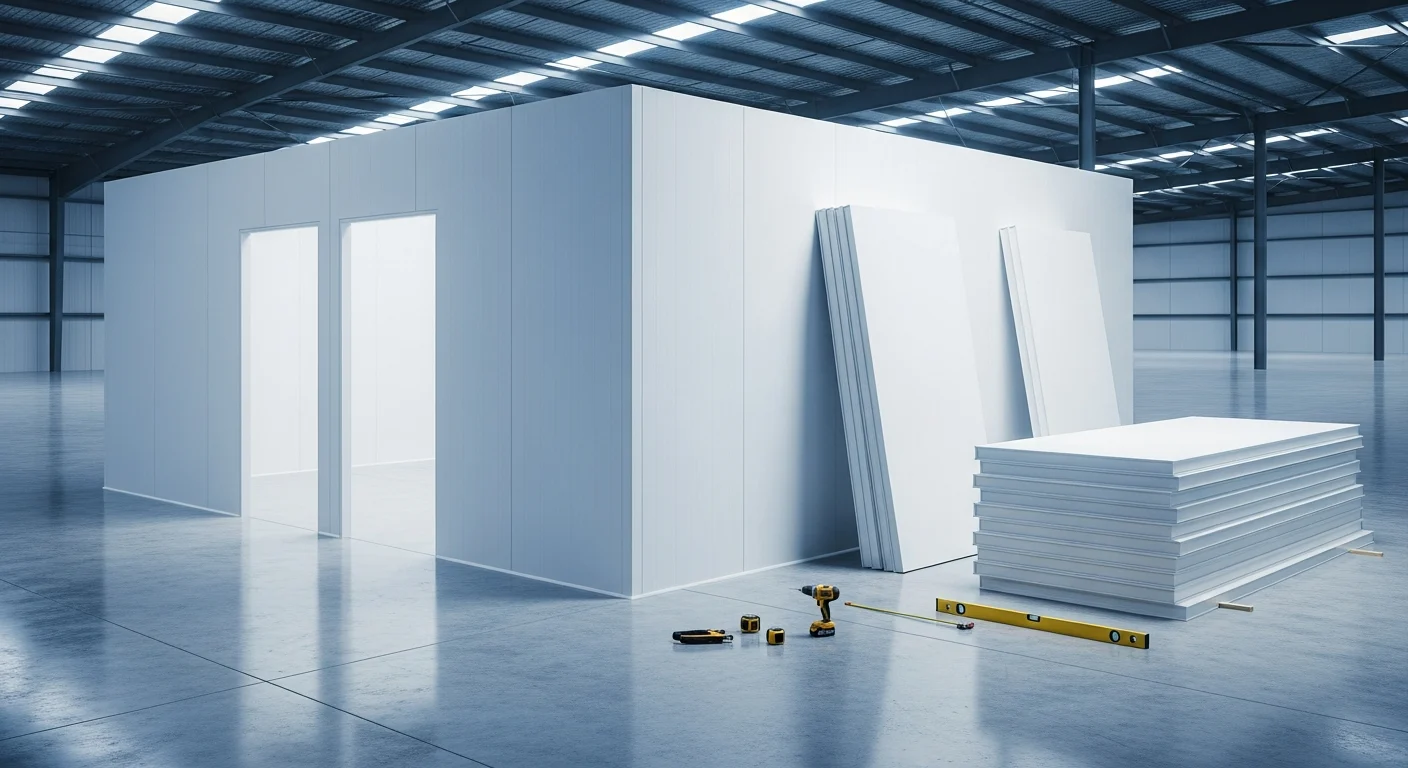
- Self-supportingFree-standing panels that add no new external walls or roof and do not alter the building structure.
- No new plumbingDrained to an existing point rather than requiring new stormwater or sewer work.
In that situation many councils treat it like installing a large appliance. Even so, a quick confirmation call is cheap insurance.
02 / 03
When you probably do
Approval is far more likely once the room becomes a structure or changes the use of the space:
- Outdoor or freestandingA cool room built outside, or one needing its own slab, roof or weather protection, is usually building work.
- New plumbing / drainageFloor waste, new stormwater or trade-waste connections generally need plumbing approval.
- Commercial food premisesA room serving a food business often triggers a food-premises fit-out notification with the council health department.
03 / 03 — Don’t forget these
The two approvals people miss
Beyond building approval, two things catch people out. First, if the room serves a food business, your local council’s health team usually needs to be notified and the fit-out may need to meet food-premises standards. Second — regardless of council approval — the refrigeration and electrical work must be done by licensed trades. That part is never DIY. If you are self-building the shell, our flat-pack DIY guide covers exactly where that line sits.
Plan your room & get a panel count
Always confirm requirements with your local council
How to check for your site
The definitive answer comes from your local council or state planning portal. Before you call, have three things ready: whether the room is indoor or outdoor, its size, and whether it is for a home or a business. That lets them tell you quickly whether it is exempt development or needs a building and/or plumbing application. If it is a commercial food space, ask the health department about food-premises requirements at the same time.
Whatever the answer, the panel spec is the same job — size it right and buy it right. Start with what a cool room costs or size yours in the calculator.

Frequently asked questions
Do you need council approval for a cool room in Australia?
It depends on the room. A small, self-contained cool room inside an existing building often needs no building approval, because it adds no external structure. A freestanding or outdoor cool room, or one needing plumbing and drainage, usually does. Rules vary by state and council, so always confirm with your local council.
Do I need approval for a commercial cool room?
For a food business there are usually two things: building/structural approval for the room, and food-premises registration or a fit-out notification with your council’s health department. Refrigeration and electrical work must always be done by licensed trades. Check both with your council.
Does an indoor cool room need council approval?
Often not, if it is a self-contained insulated room inside an existing approved building with no new external structure or plumbing. But it varies by council and by commercial vs domestic, so confirm before you order.
Who installs the refrigeration and electrical?
By law in every Australian state, the refrigeration must be installed and commissioned by a licensed refrigeration mechanic and the power connected by a licensed electrician – regardless of whether the room needed council approval.