
Operations / Food safety
Cool room temperature guide: correct settings for food safety
What temperature should a cool room actually be? The right set-points by product, the food-safety rules behind them, and why the panel decides whether the room holds.
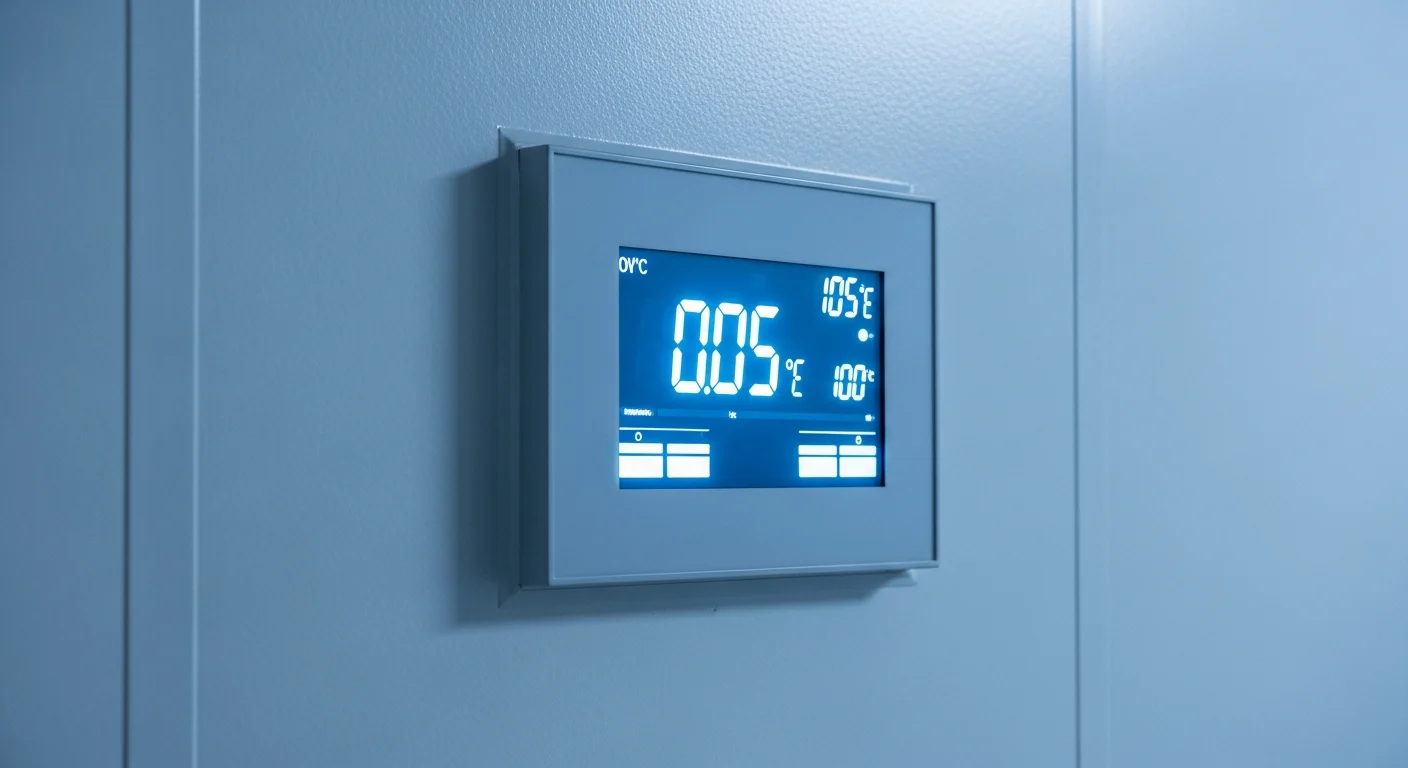
Setting a cool room temperature is not guesswork, and it is not “as cold as it will go”. The right set-point keeps your stock safe and your power bill sane — and it changes with what you store. Here are the correct settings, the food-safety rules behind them, and the part most people miss: the room can only hold the temperature its panels allow.
01 / 03
What temperature should a cool room be?
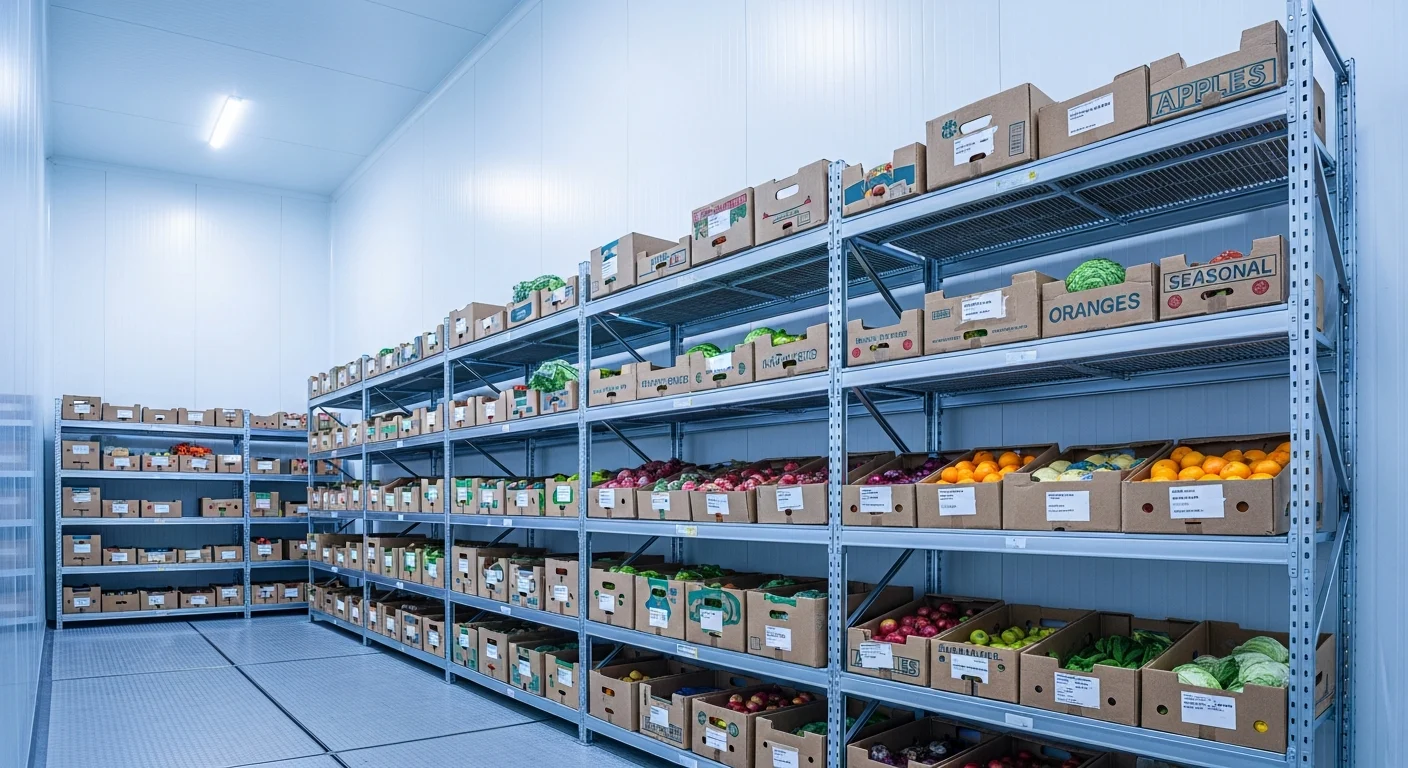
Most chillers run between +2 and +5 °C. Within that, the set-point shifts with the product:
| Stored product | Typical temperature |
|---|---|
| General chiller / back-of-house | +3 to +5 °C |
| Fruit & vegetables | +4 to +8 °C |
| Dairy | +2 to +4 °C |
| Meat | 0 to +2 °C |
| Seafood | −1 to +2 °C (on ice) |
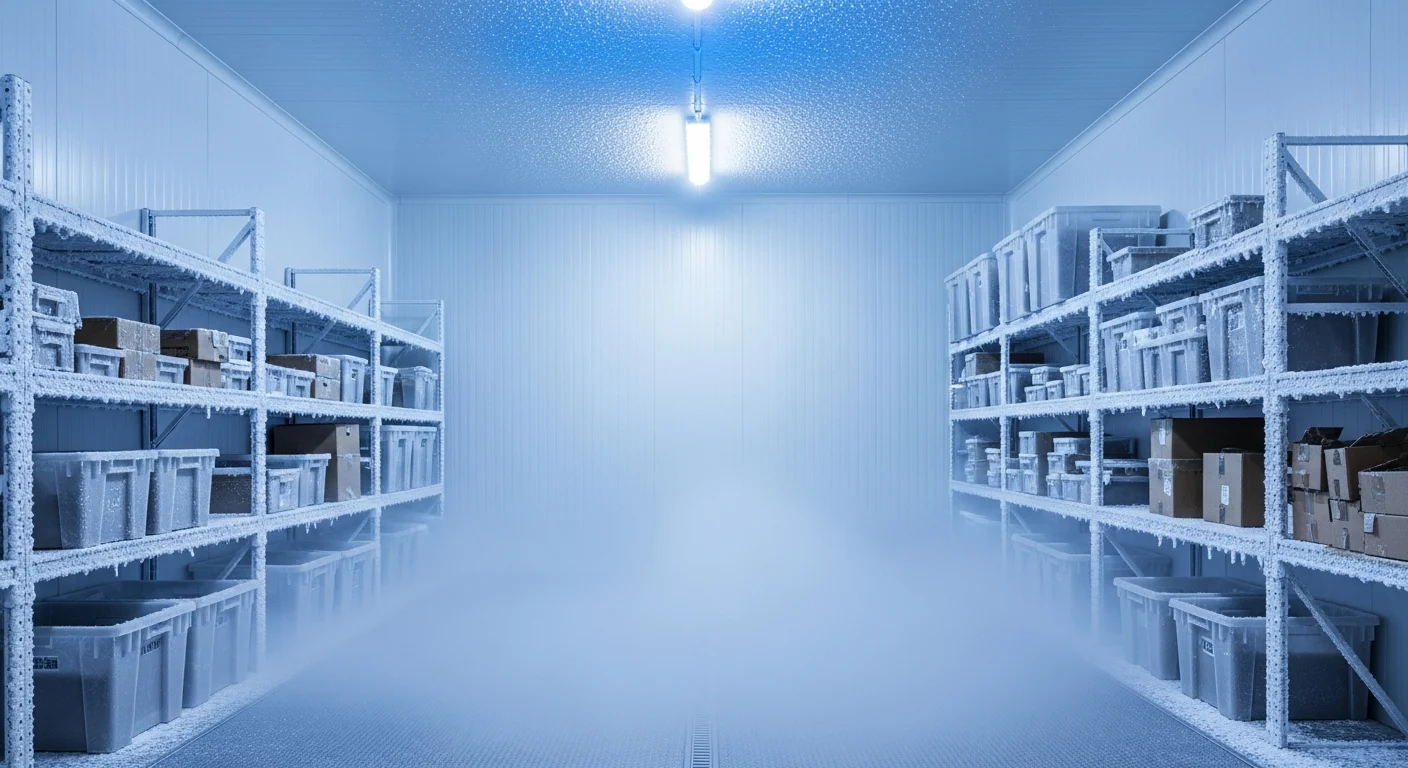
| Freezer | −18 to −25 °C |
If one room holds mixed stock, set it for the most sensitive product — and keep the whole room at or below 5 °C for anything potentially hazardous.
02 / 03
The food-safety rule behind the number
Bacteria multiply fastest in the “temperature danger zone” of 5 °C to 60 °C. Chilled food is meant to stay at or below 5 °C, which is why the set-points above cluster there. The related 2-hour / 4-hour rule covers food out of refrigeration: under 2 hours it can go back; 2–4 hours use it now; over 4 hours throw it out. A room that reliably holds 5 °C or below is your first line of defence.
03 / 03 — The part people miss
The panel decides whether the room holds
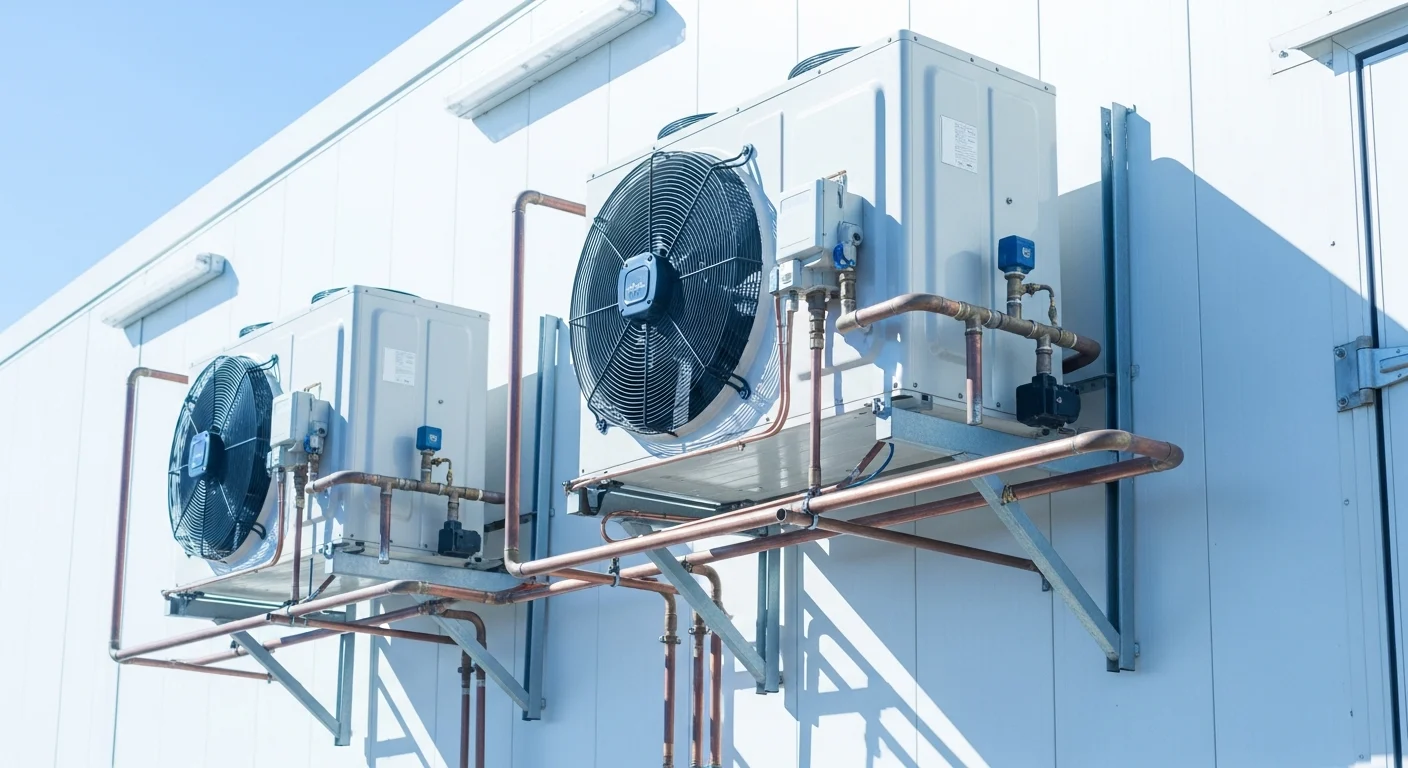
A controller can be set to 3 °C, but the room only holds it if the panels keep the heat out. On a 40 °C day the gap the refrigeration fights is huge — a thin, under-spec or badly sealed panel leaks heat back in, so the compressor runs flat out and the temperature drifts. Good insulation and tight door seals are what let the set-point stick. That also keeps running costs down, and it is exactly what a cheap panel cannot do.
Size a room that holds temperature
Get the right core and thickness for your set-point
Practical tips to hold temperature
- Fit an accurate thermometerCheck the room temperature independently of the controller display.
- Mind the doorEvery open door lets warm, moist air in. Fast-closing doors and strip curtains help.
- Do not overloadLeave airflow around the evaporator and above the stack, or hot and cold spots form.
- Check seals and defrostA worn door gasket or an iced evaporator both push the temperature up.
Continue reading
Frequently asked questions
What temperature should a cool room be set to?
Most chillers run at +2 to +5 C. The exact set-point depends on what you store – produce and drinks sit a little higher, meat and dairy lower, seafood lowest of the chilled range. The key food-safety rule is to keep chilled food at or below 5 C. A freezer runs at -18 C or colder.
What is the 2-hour / 4-hour rule?
It is an Australian food-safety guideline for potentially hazardous food in the danger zone (5 C to 60 C): under 2 hours it can be refrigerated or used; 2 to 4 hours use it immediately; over 4 hours throw it out. A cool room holding 5 C or below keeps food out of that zone.
Why can’t my cool room hold its set temperature in summer?
Usually a worn door seal, an under-spec or poorly sealed panel that leaks heat, or an overloaded evaporator. On a hot day the refrigeration works much harder, so insulation and seals matter most.
What temperature is a freezer room?
Typically -18 C to -25 C. The lower and more constant the temperature, the more insulation the panels need – which is why freezers usually use a PIR core.