
Refrigeration / System selection
Choosing a cool room refrigeration unit: monoblock vs split, and sizing
The panels hold the cold in; the refrigeration unit makes it. Here is how monoblock and split systems differ, how heat load sets the kW you need, and what a licensed install involves.
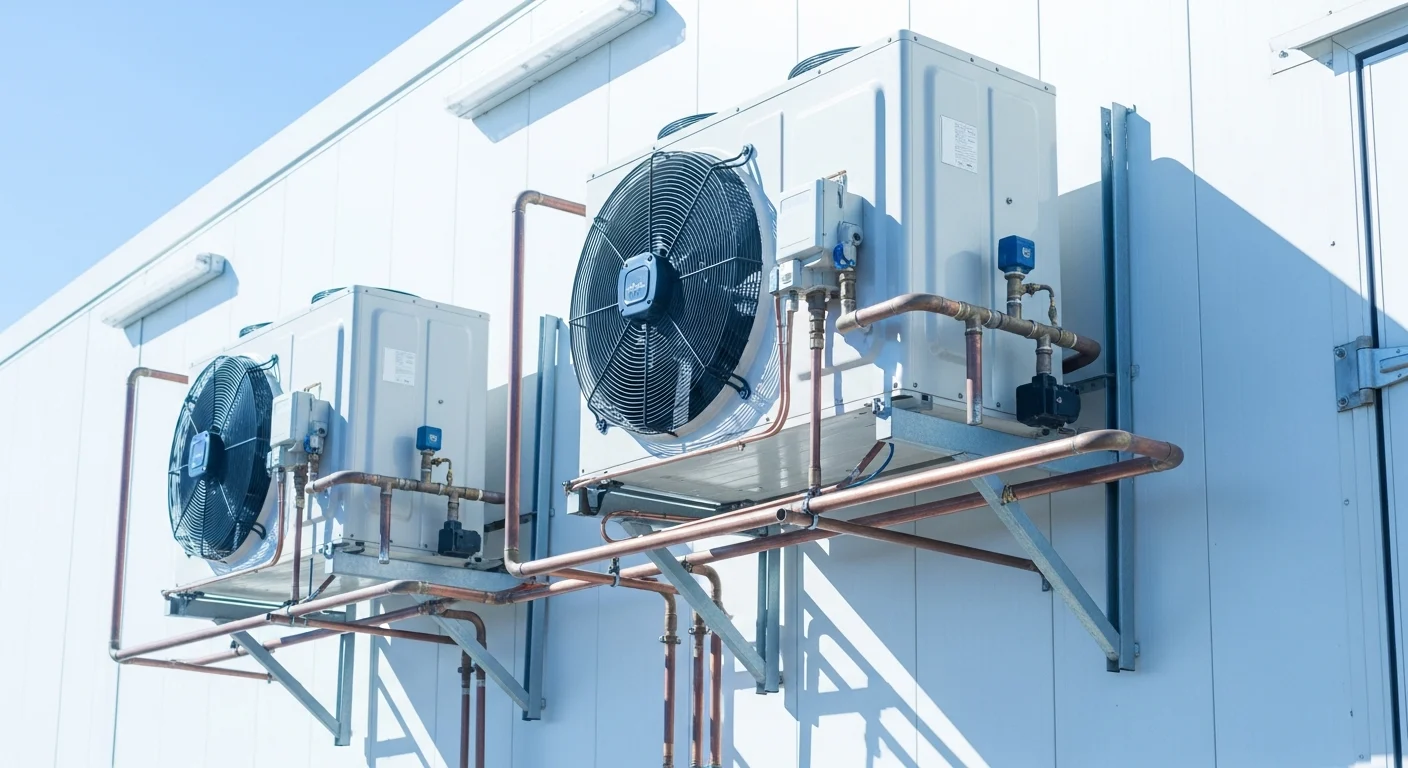
Panels decide whether a cool room can hold temperature; the refrigeration unit decides whether it can reach it in the first place. Get the unit type and capacity wrong and you either pay for kilowatts you never use or, worse, buy a system that can never pull the room down on a hot day. This guide covers the two system formats used in Australia — monoblock and split — how heat load drives the kW you need, and why the install has to be done by a licensed technician.
01 / 04
Monoblock vs split systems
A refrigeration unit has the same core parts either way — a compressor and condenser that reject heat outside, and an evaporator that absorbs heat inside. The difference is how those parts are packaged.
| System | What it is | Best for |
|---|---|---|
| Monoblock (plug-in) | One pre-charged unit that mounts through the wall or ceiling; condenser and evaporator in a single housing | Small to mid rooms, fast installs, retrofits, tight budgets |
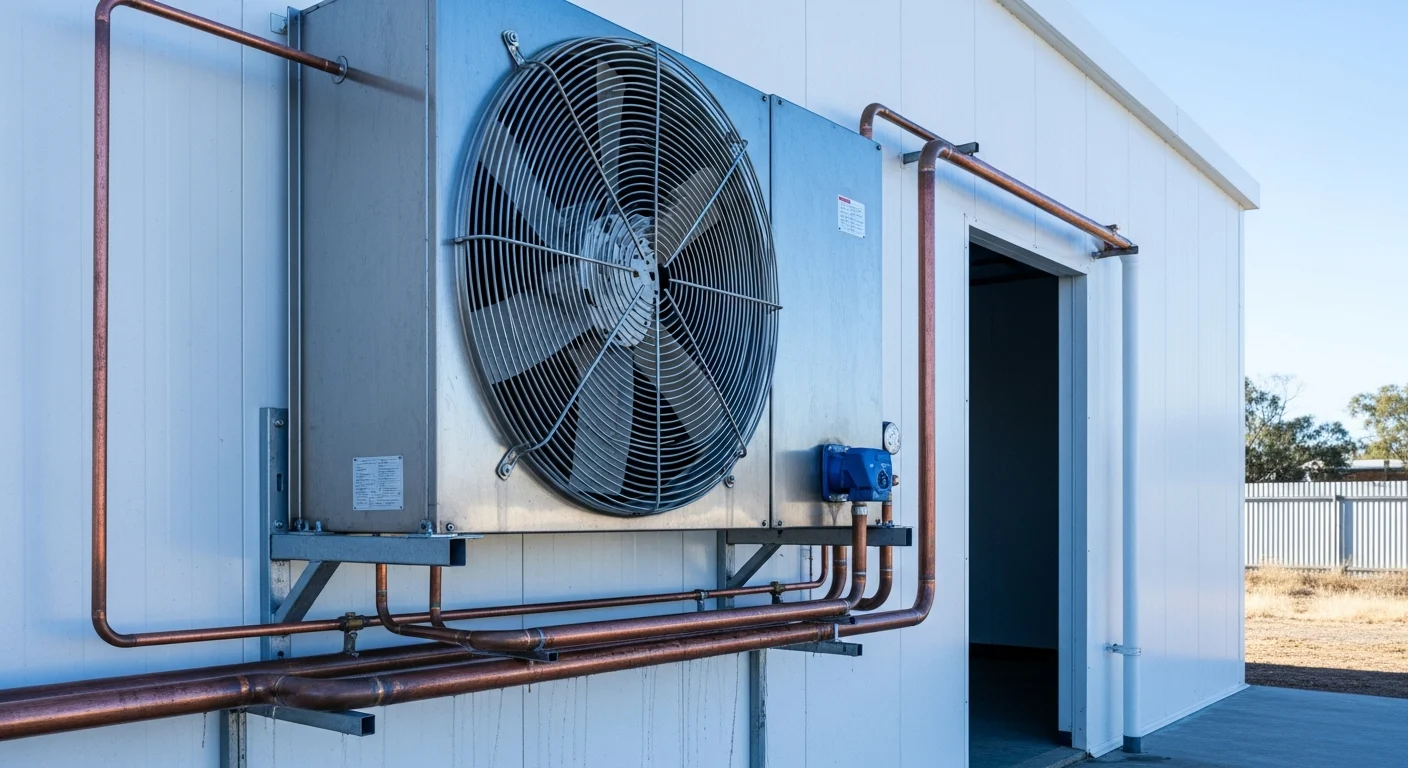
| Split | Separate condensing unit (outside) and evaporator (inside), joined by refrigerant lines a technician charges on site | Larger rooms, quieter interiors, condenser placed away from the room, freezers |
A monoblock is the simpler product: it arrives pre-charged, drops into an opening, and needs only power and a condensate drain. A split system is more flexible and scales further — you can put the noisy, heat-rejecting condensing unit outside or on a roof and keep only the quiet evaporator inside — but it needs a licensed technician to run and charge the pipework.
02 / 04
How heat load sets the kW you need
The single most common mistake is sizing a unit off floor area alone. Capacity is driven by the total heat load — how much heat has to be removed per hour — and that depends on far more than room size:
- Room volumeBigger air volume and more panel surface area to insulate means more heat to remove.
- Set-pointA freezer at −18 °C fights a much bigger temperature gap than a +4 °C chiller, so it needs far more capacity for the same room.
- Ambient temperatureA room in a 40 °C shed or with the condenser in the sun loads the system far harder than one in a cool plant room.
- Door trafficEvery opening lets warm, moist air in. High-traffic rooms need extra capacity to recover.
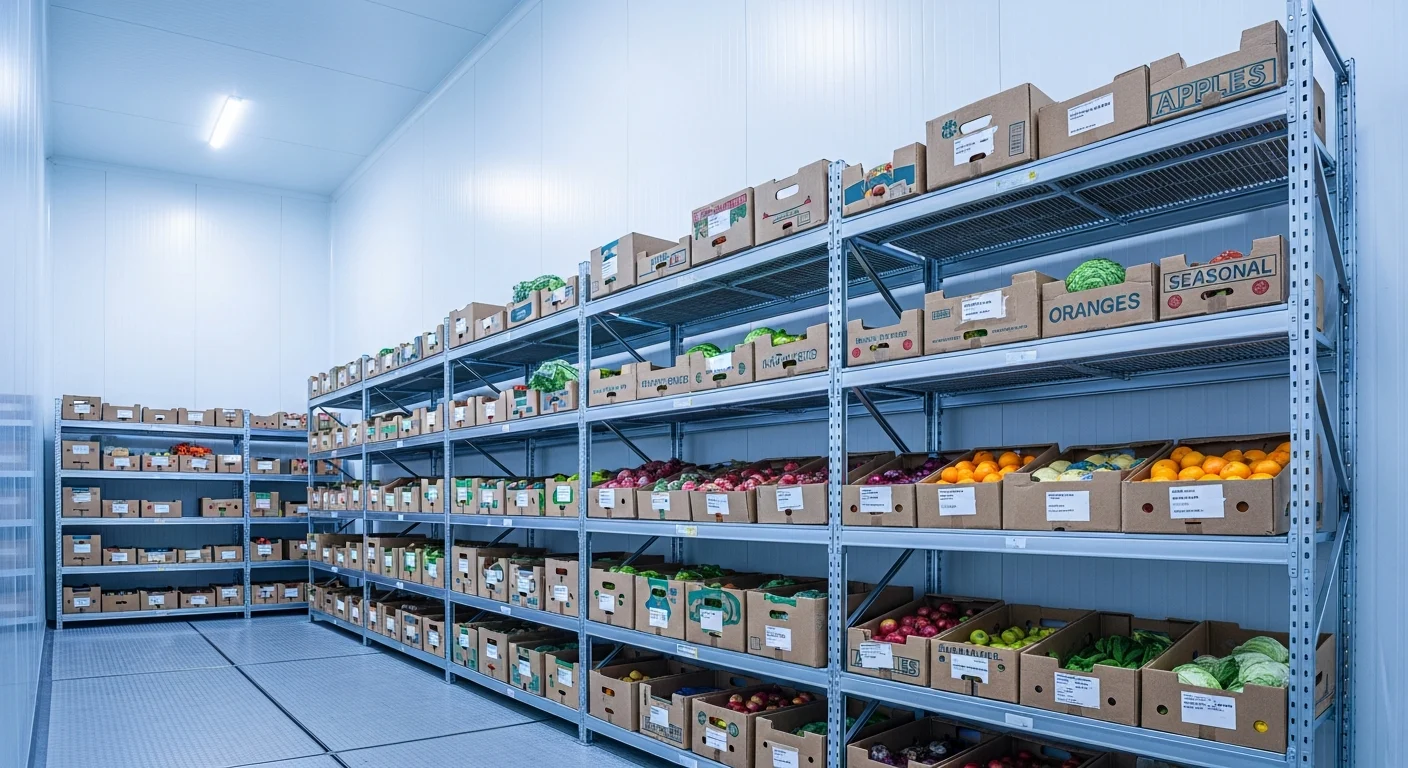
- Product loadWarm stock coming in, and how fast you need to pull it down, adds to the load the unit must clear.
Because so many variables feed in, capacity should come from a heat-load calculation, not a rule of thumb. The set-point you run and how much stock you turn over both move the number, and both chiller and freezer duty have to be sized separately even for the same room. Start with room size and duty in the panel calculator, then have the unit sized to the resulting load.
Buy capacity for the hottest day and the fullest room, not the average one. A unit that only just copes in mild weather will drift the moment summer arrives.
Technical Desk
03 / 04 — Refrigerant, defrost and install
Refrigerant, defrost, and a licensed install
Every system carries a refrigerant charge and runs a defrost cycle. On a chiller, defrost can be as simple as pausing the compressor and letting the evaporator warm slightly. On a freezer running below 0 °C, frost builds on the evaporator coil and has to be cleared actively — usually electric or hot-gas defrost on a timer — or the coil ices up and capacity collapses. Matching the defrost method to chiller or freezer duty is part of specifying the unit.
Handling refrigerant is regulated work. In Australia a refrigeration system must be installed, charged and commissioned by a licensed refrigeration technician — it is not a DIY job. A monoblock arrives pre-charged and is the closest thing to plug-and-play, but a split system’s pipework must be run, evacuated and charged on site by a licensed tech. Plan for that when you budget.
Do
- Size from a heat-load calculation, not floor area
- Match the defrost method to chiller vs freezer duty
- Give the condensing unit clear, ventilated air
- Use a licensed refrigeration technician to install and charge
Don’t
- Box the condenser into a hot, unventilated cupboard
- Reuse a chiller unit on a freezer without re-sizing
- Undersize to save on the day — you pay in summer drift
- Attempt to charge refrigerant yourself — it is licensed work
Room size and duty first, then the right unit follows
Placement, ventilation and matching duty
Where the condensing unit goes matters almost as much as its capacity. It has to reject the room’s heat into the air around it, so that air has to be able to carry the heat away.
- Give the condenser clear airMount it where hot air can escape and fresh air can reach the coil — not sealed in a hot cupboard or hard against a wall.
- Keep it out of direct heatA condenser in full sun or above other heat sources runs hotter and loses capacity. Shade and ventilation both help.
- Match the unit to chiller vs freezer dutyA freezer needs more capacity and active defrost for the same room. Never assume a chiller unit will do freezer duty.
- Plan the drain and powerCondensate has to drain away and the unit needs the right supply. A licensed tech sets both up at install.
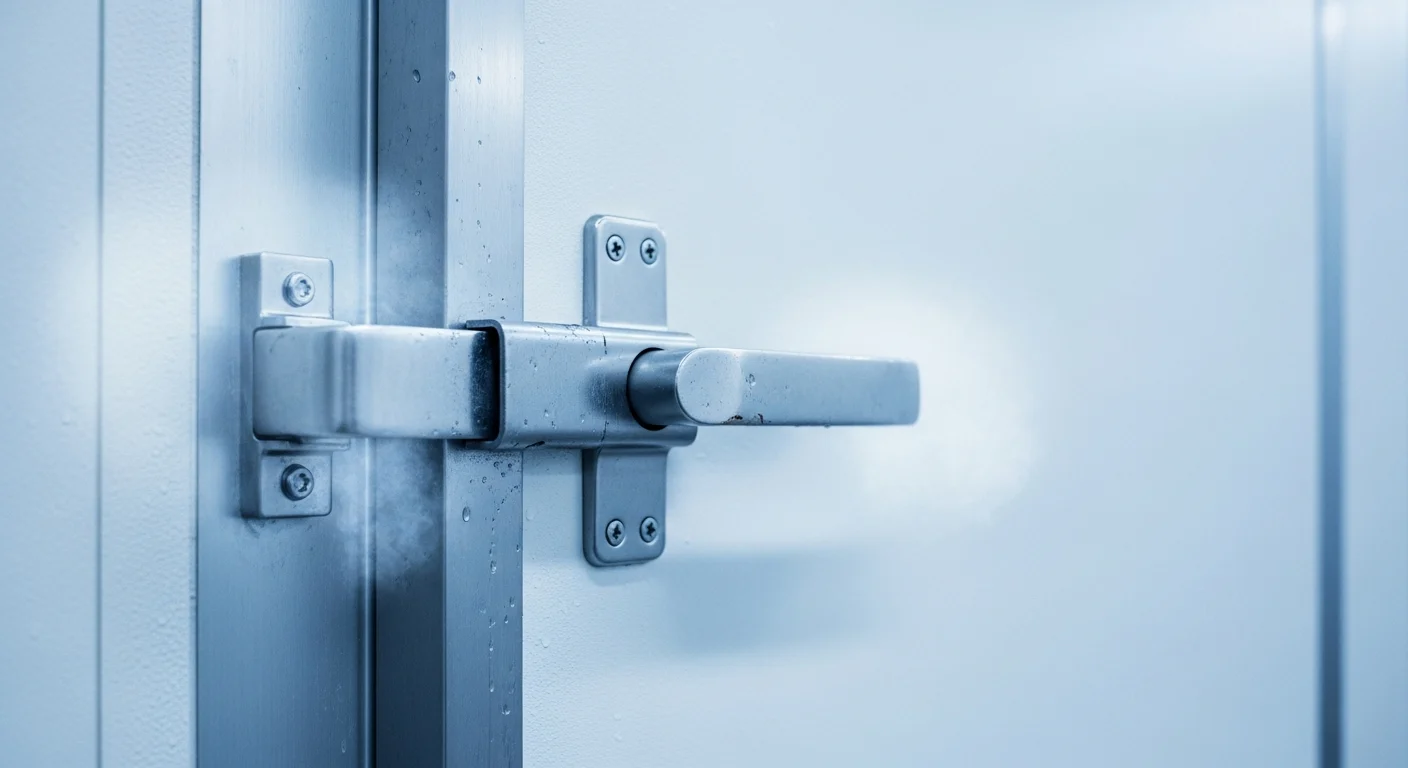
The unit and the envelope work as a pair. A right-sized system in a well-insulated PIR freezer will hold set-point efficiently; the same unit in a leaky room runs flat out and still drifts, which is where running costs blow out. Decide the room size and duty first — the what size cool room do I need guide walks through it — and remember the door and its seal are part of the load the unit has to fight.
Frequently asked questions
What is the difference between a monoblock and a split cool room system?
A monoblock is a single pre-charged unit that mounts through the wall or ceiling with the condenser and evaporator in one housing — simple to install and ideal for small to mid rooms. A split system has a separate condensing unit outside and evaporator inside joined by refrigerant lines a technician charges on site; it scales to larger rooms and lets you place the condenser away from the room.
How do I size a cool room refrigeration unit?
Size it from the heat load, not floor area. The load depends on room volume, the set-point (a freezer needs far more than a chiller), ambient temperature, door traffic and product load. Because so many factors feed in, capacity should come from a heat-load calculation rather than a rule of thumb.
Can I install a cool room refrigeration unit myself?
No. Handling refrigerant is regulated work in Australia, so a system must be installed, charged and commissioned by a licensed refrigeration technician. A monoblock arrives pre-charged and is close to plug-and-play for power and drainage, but a split system’s pipework must be run and charged on site by a licensed tech.
Does a freezer need a bigger unit than a chiller?
Yes. A freezer at around -18 C fights a much larger temperature gap than a +4 C chiller, so for the same room it needs more capacity and active defrost to clear frost from the evaporator. Never assume a chiller unit will handle freezer duty — size each separately.