
Ownership / Maintenance
How long do cool room panels last?
A well-built panel room lasts decades; a cheap one can fail in a few years. Here is what decides the difference — and the simple maintenance that adds years.
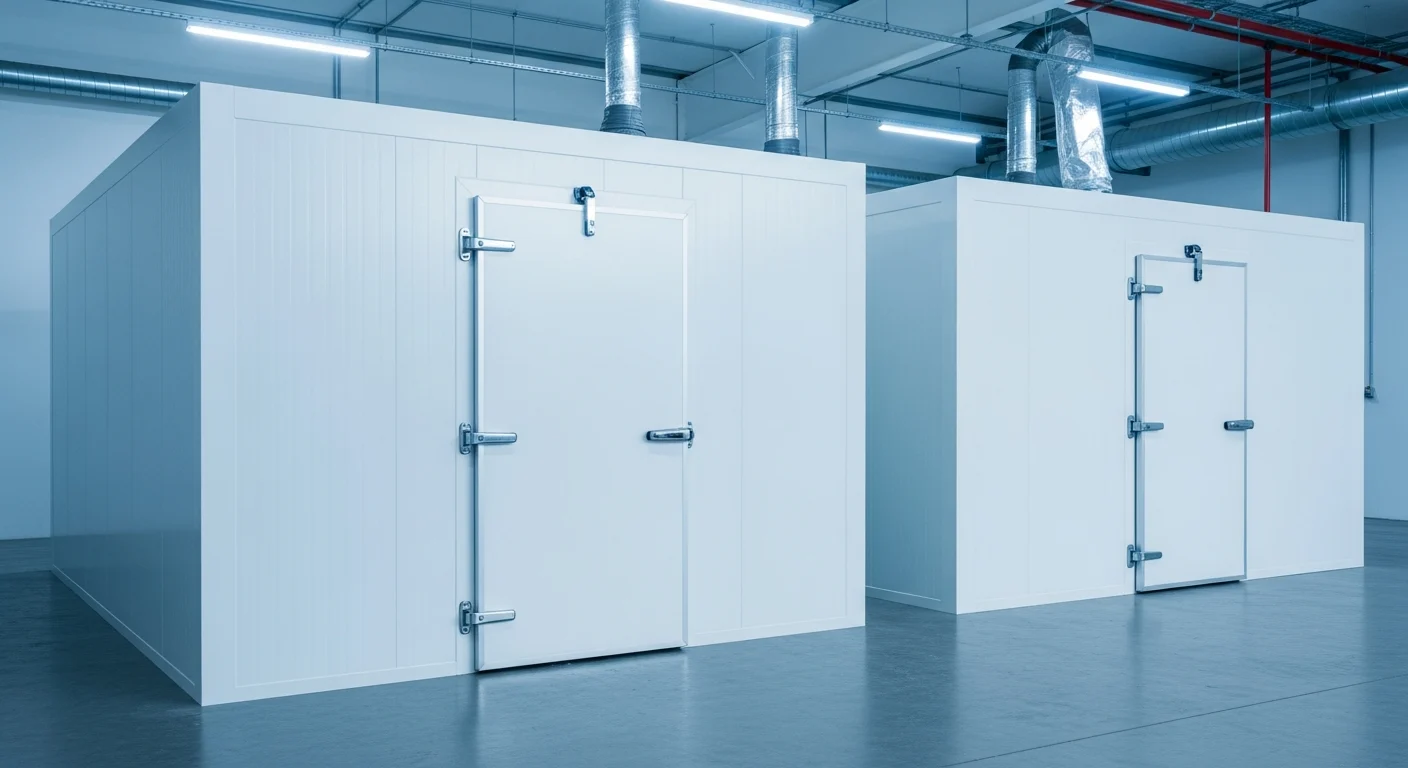
Insulated panels are the one part of a cool room you cannot easily replace once the room is built, so how long they last matters more than almost any other decision. The honest range is wide: a properly made, well-maintained panel room can run 20 years or more, while a cheap, badly sealed one can start failing within a few. The difference is not luck — it is spec and care.
01 / 03
What decides how long a panel lasts
- Core qualityA correct-density core holds its shape and insulation for decades; a low-density or reclaimed core sags and loses R-value.
- Steel facingsThicker, well-coated (Colorbond / galv) skins resist rust and dents. Thin facings corrode, especially in coastal or wash-down areas.
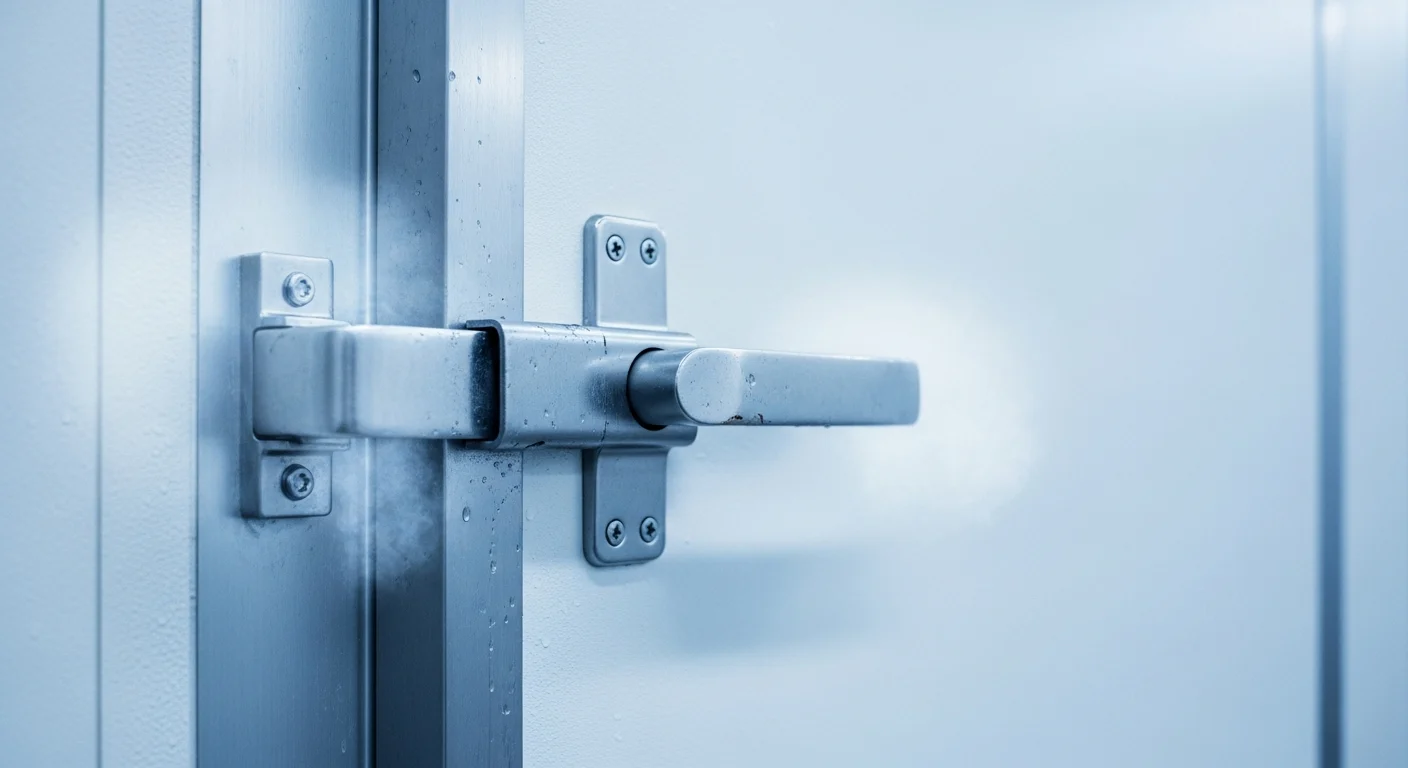
- Sealed jointsTight cam-lock joins and continuous silicone keep moisture out of the core — the single biggest factor in longevity.
- EnvironmentCoastal salt air, heavy wash-down and constant door traffic all shorten life if the panel is not specified for it.
02 / 03
What kills panels early
Almost every premature failure traces back to moisture and rust. An unsealed joint lets warm, humid air migrate into the seam, where it condenses against the cold side and stays — rusting the steel from the inside and softening the core. Thin facings rust from the outside instead. A worn door seal does both at once, dragging humid air in every time the door opens. None of it shows on day one; it shows up as a rust line and a compressor running longer than it should, a season or two later.
The spec bit
This is why the panel spec matters
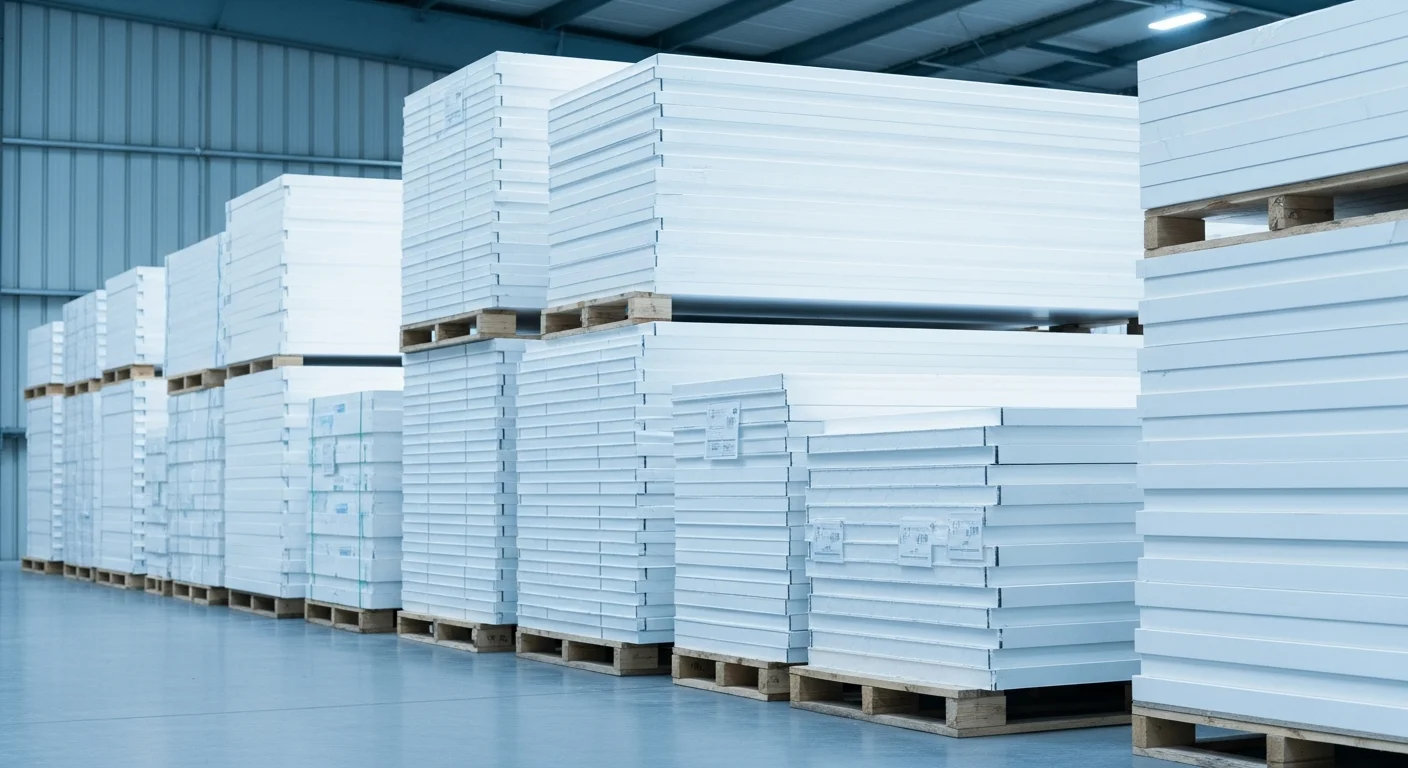
Lifespan is decided the day you buy. A properly specified panel — correct core density, quality facings, a real warranty — costs a little more and lasts far longer than a bargain listing. That is the whole argument in why cheap cool room panels cost you more, and it feeds straight into your running costs: a panel that holds its insulation keeps the compressor honest for the life of the room.
Right core, right facing, sealed properly
A simple maintenance routine
- Check the door sealsLook for gaps, cracks or ice. A gasket is cheap; the damage a bad one causes is not.
- Keep joints sealedRe-run silicone on any joint that has opened or lifted, before moisture gets in.
- Wipe the facingsClean steel resists corrosion; standing grime and moisture do not.
- Watch for condensationA new rust line or damp patch is an early warning — fix the seal behind it.
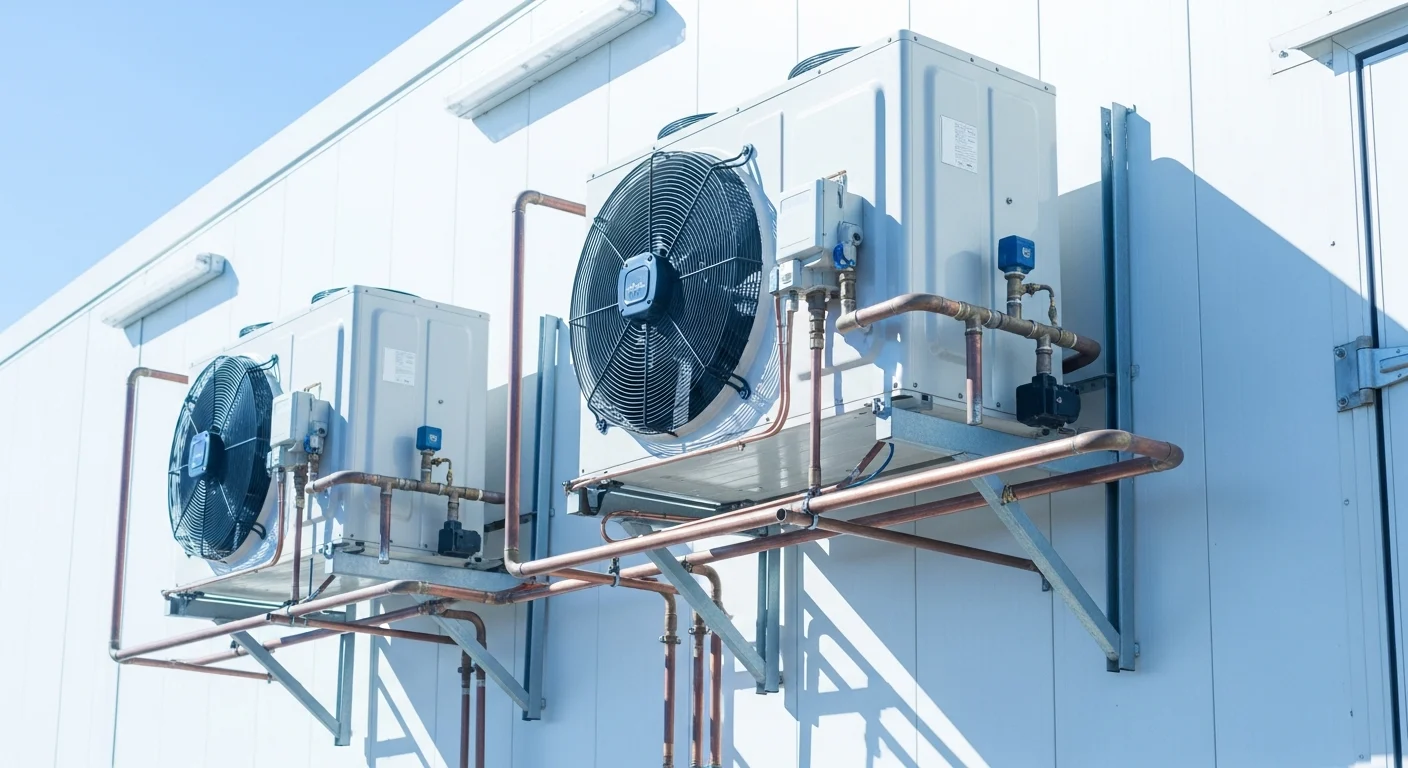
- Service the refrigerationA well-tuned system runs less and stresses the room less.
Frequently asked questions
How long do cool room panels last?
A well-made insulated panel room can last 20 years or more. Lifespan comes down to core quality and density, the gauge and coating of the steel facings, how well the joints are sealed, and the environment. A cheap, under-spec or badly sealed panel can degrade in a fraction of that time.
What makes cool room panels fail early?
Moisture getting into unsealed joints and rusting the panel from the inside, thin or low-grade steel facings rusting (especially near the coast), low-density cores that sag, and worn door seals that let warm, moist air in.
How do I maintain a cool room?
Keep the door seals in good condition, keep all panel joints sealed, wipe the facings clean, watch for condensation or rust lines, and keep the refrigeration serviced. Small regular checks add years to the room.
Are cheaper panels a false economy?
Often yes. A lower purchase price frequently means a lower-density core, thinner facings and no warranty – a shorter life and higher running costs. Over the life of the room, a properly specified panel is usually the cheaper option.