
Explainer / Temperature
Cool room vs cold room vs freezer
The terms get used as if they mean the same thing. They do not — and the difference decides the panel core and thickness you need.
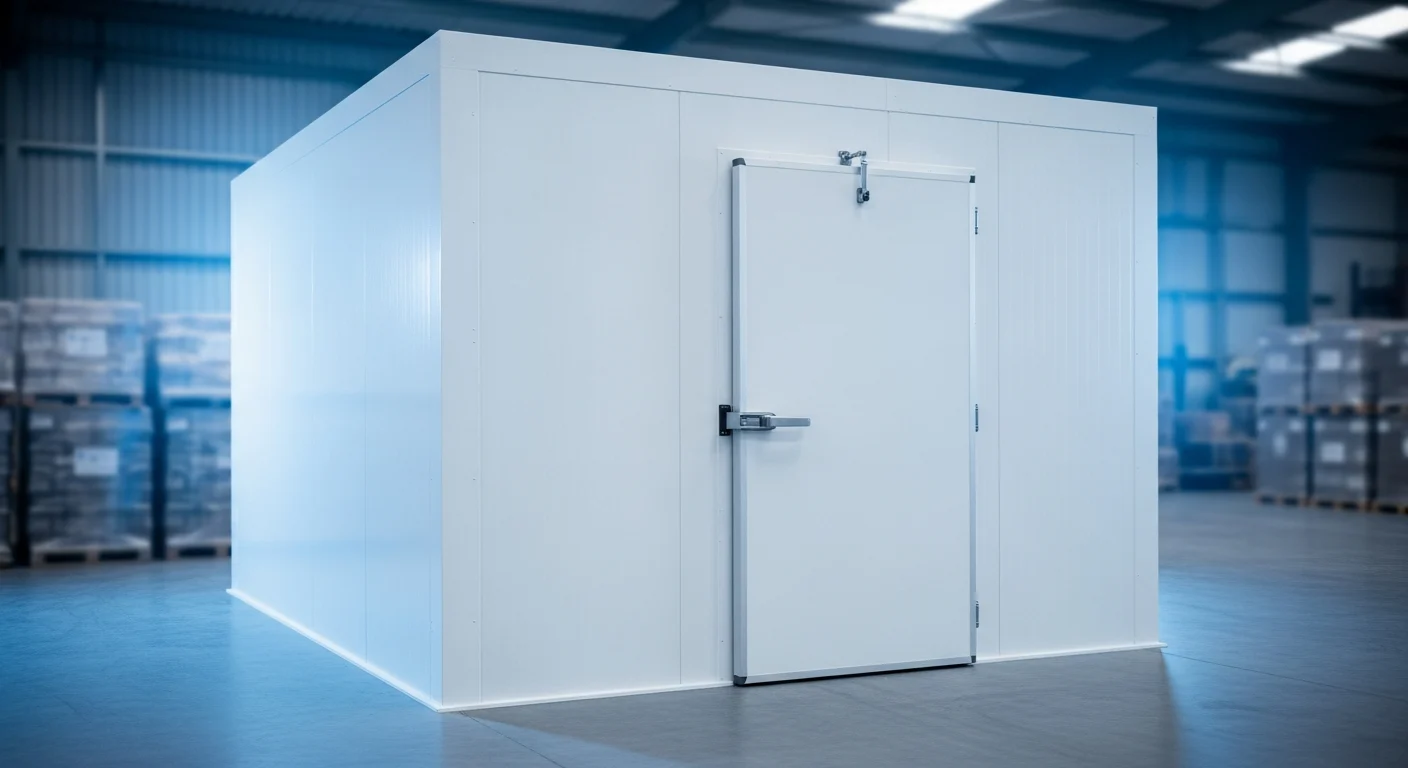
Cool room, cold room, coolroom, freezer — the words get thrown around like they are the same thing. They are not quite, and the difference matters, because it decides the panel core and thickness you need. Here is the plain-English version.
01 / 04
It all comes down to temperature
Strip away the names and it is really about the set-point:
| Room | Typical temperature | Used for |
|---|---|---|
| Chiller / cool room | +2 to +8 °C | Produce, drinks, dairy, back-of-house |
| Cold store | −2 to +2 °C | Meat, seafood, longer chilled storage |
| Freezer room | −18 to −25 °C | Frozen stock, ice cream, long-term storage |
“Cool room” and “cold room” are used more or less interchangeably in Australia for a room above or around freezing. The freezer is the clear outlier — it runs well below zero, which changes everything about the panel.
02 / 04
The everyday cool room
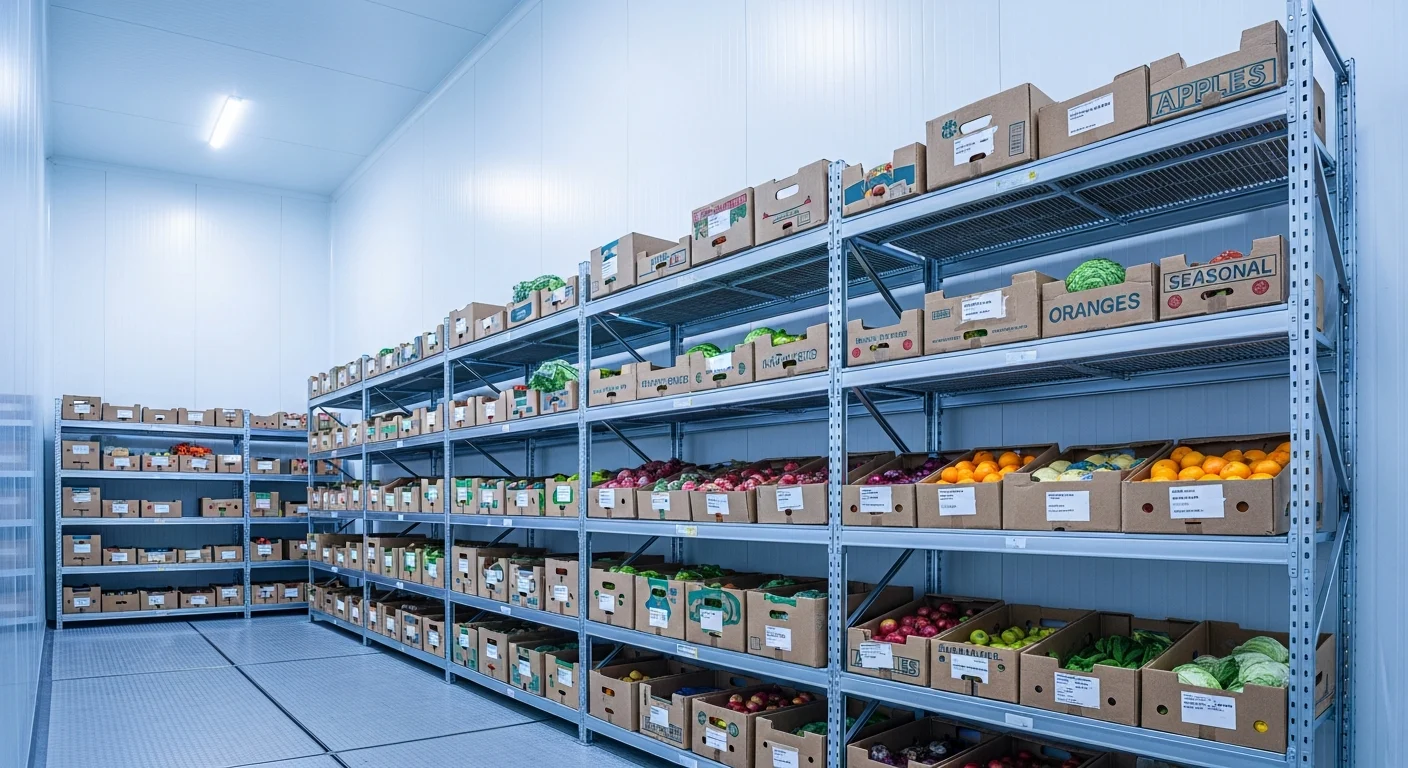
A chiller at +2 to +8 °C is the most common room — cafes, restaurants, butchers’ front-of-house, florists, produce storage. The temperature gap to the outside is modest, so EPS panels at 75–100 mm handle it economically. This is where EPS shines.
03 / 04
Cold store: colder, around freezing
A cold store sits around −2 to +2 °C for meat, seafood and longer chilled holding. It is a bigger ask than a chiller, so thicker panels (100–125 mm) and sometimes a PIR core come into play, depending on the product and door traffic.
04 / 04 — Below zero
The freezer is a different build
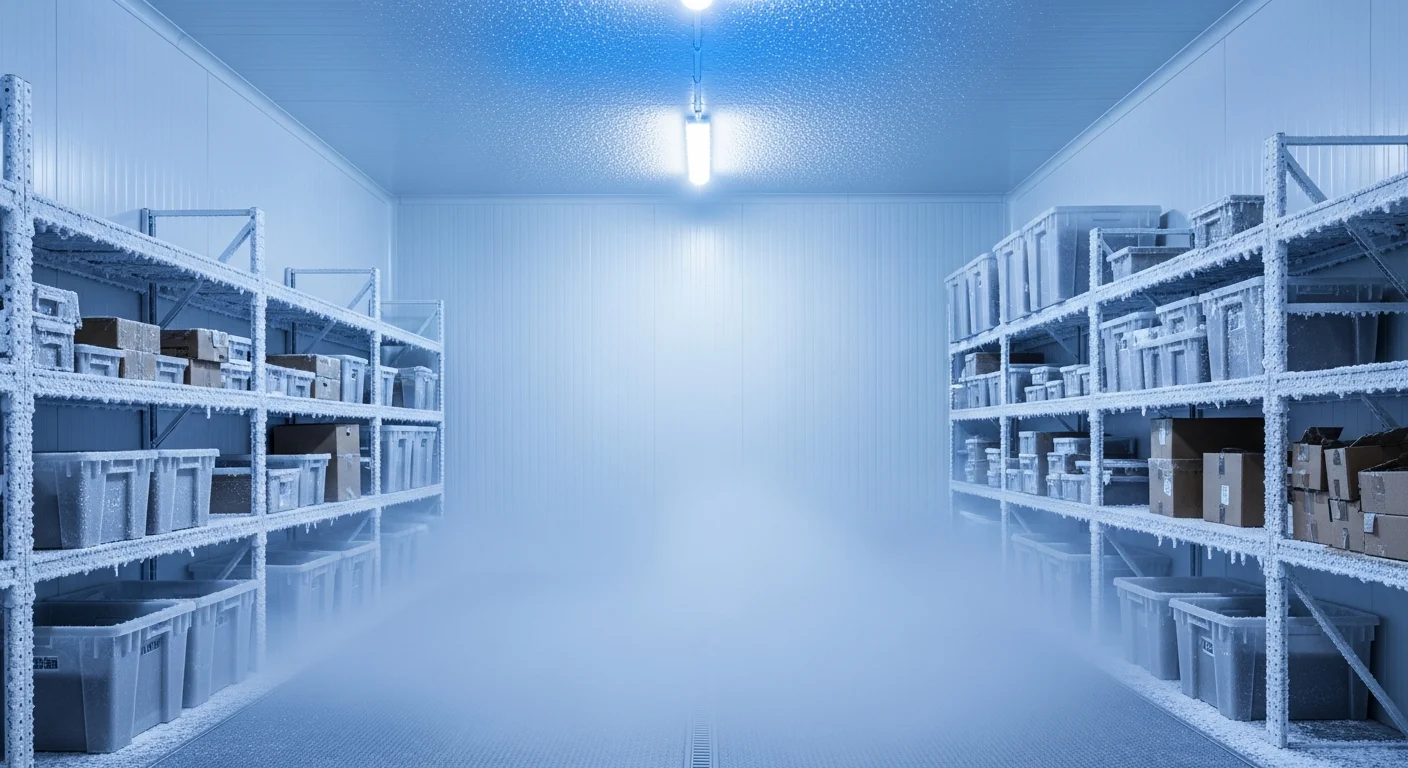
A freezer at −18 to −25 °C is a different animal. The temperature gap is huge and constant, so it needs the most insulation, an insulated floor, and a heated door that will not ice shut. This is PIR territory — 100 mm PIR is the efficient standard. We cover it in the PIR freezer cool room kit guide.
Size your room in the 3D calculator
Pick your set-point — get the panel count and the right core
Matching the room to the core
| Room | Core | Guide |
|---|---|---|
| Chiller | EPS | +2 to +8 °C · 75–100 mm · most economical |
| Cold store | EPS / PIR | −2 to +2 °C · 100–125 mm |
| Freezer | PIR | −18 to −25 °C · 100 mm PIR · insulated floor |
Still deciding? The full EPS vs PIR vs Rockwool comparison walks through cost, insulation and fire behaviour.
Frequently asked questions
What’s the difference between a cool room and a cold room?
In everyday Australian use the two terms are often used interchangeably for a room held above or near freezing (roughly +2 to +8 C for a chiller, down to around 0 C for a cold store). A freezer is the clear outlier – it runs below zero, typically -18 to -25 C. The temperature is what changes the panel you need.
What temperature is a cool room vs a freezer?
A chiller or cool room typically runs +2 to +8 C, a cold store around -2 to +2 C, and a freezer -18 to -25 C. The colder the room and the hotter the climate, the more insulation the panels need.
Do I need different panels for a freezer?
Usually yes. A chiller is well served by EPS at 75-100 mm. A freezer holds a much bigger temperature gap, so it favours a PIR core – 100 mm PIR is the efficient standard – plus an insulated floor and a heated door.
Is a cold room the same as a coolroom?
Yes – ‘coolroom’ (one word) is just the common Australian spelling. The important distinction for choosing panels is chiller vs cold store vs freezer, which is about temperature, not spelling.